Choose language

Forgot your password?

Need a Spoofbox account? Create one for FREE!

No subscription or hidden extras

Login

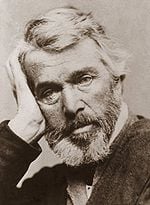
Thomas Carlyle

Read through the most famous quotes from Thomas Carlyle


A man's felicity consists not in the outward and visible blessing of fortune, but in the inward and unseen perfections and riches of the mind.


— Thomas Carlyle


#consists #felicity #fortune #inward #man

Nothing builds self-esteem and self-confidence like accomplishment.


— Thomas Carlyle


#builds #like #nothing #self-confidence #self-esteem

I don't pretend to understand the Universe - it's a great deal bigger than I am.


— Thomas Carlyle


#bigger #deal #great #great deal #i

If you do not wish a man to do a thing, you had better get him to talk about it; for the more men talk, the more likely they are to do nothing else.


— Thomas Carlyle


#better #else #get #had #him

In every phenomenon the beginning remains always the most notable moment.


— Thomas Carlyle


#beginning #every #moment #most #notable

In the long-run every Government is the exact symbol of its People, with their wisdom and unwisdom; we have to say, Like People like Government.


— Thomas Carlyle


#exact #government #like #long-run #people

Long stormy spring-time, wet contentious April, winter chilling the lap of very May; but at length the season of summer does come.


— Thomas Carlyle


#chilling #come #contentious #does #lap

Men seldom, or rather never for a length of time and deliberately, rebel against anything that does not deserve rebelling against.


— Thomas Carlyle


#anything #deliberately #deserve #does #length

No ghost was every seen by two pair of eyes.


— Thomas Carlyle


#eyes #ghost #pair #seen #two

History, a distillation of rumour.


— Thomas Carlyle


#history #rumour


About Thomas Carlyle

Thomas Carlyle Quotes


Did you know about Thomas Carlyle?

Thomas Carlyle (4 December 1795 – 5 February 1881) was a Scottish philosopher satirical writer essayist historian and teacher during the Victorian era. He brought a trenchant style to his social and political criticism and a complex literary style to works such as The French Revolution: A History (1837).

back to top